Tea War - A History of Capitalism in China and India
Book : Tea War - A History of Capitalism in China and India
ANDREW B. LIU
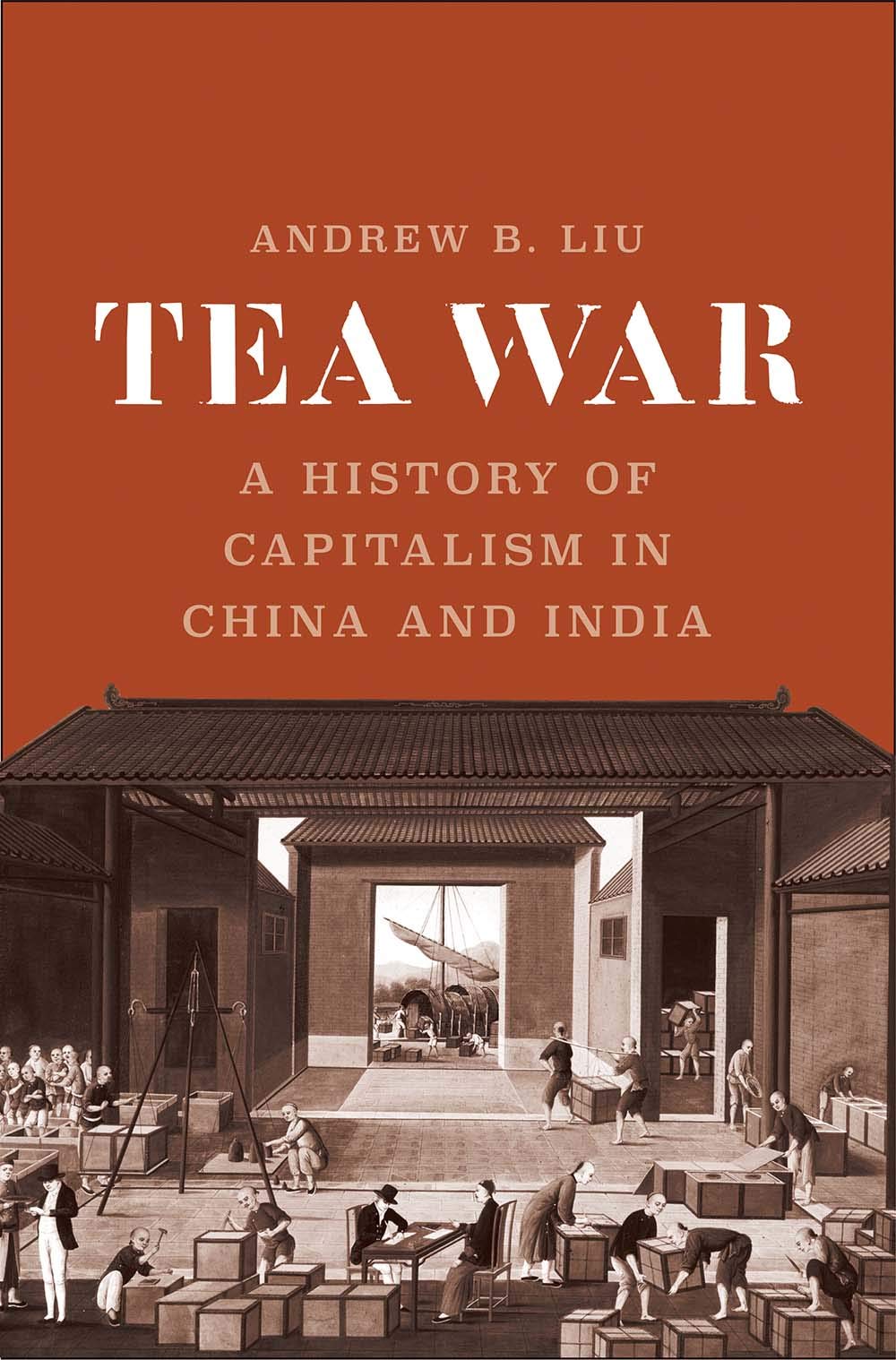
Andrew B Liu’s Tea War comes with a promising title and an equally promising concept. What better window into macro-economic evolution of east and south Asia than the development of iconic beverage of the region, “the most consumed beverage around the world today” aside from water? And war it was, between the centuries-old Chinese and nascent Indian exports of a quintessentially Asian commodity. A 1890s pamphlet by David Crole, who had managed one of the rather recently constructed tea estates in India, “described the current economic rivalry as ‘the tea war that has been and is still being waged’.” Liu quotes Qing reformer Zheng Guanying (1842-1922), writing at the same time as Crole, describing “the onslaught of overseas industrial threats facing Chinese tea and silk merchants by conjuring the phrase “commercial warfare” (shangzhan).”
With vanishingly few exceptions, the world’s words for tea all trace back to pre-modern Chinese, hardly an unexpected phenomenon given that camellia sinensis is native to the hilly environs of what are now southwest China and northern Burma. The Tang Dynasty’s Classic of Tea (780 CE) enshrined a beverage that already had a thousand-year history in the region. And the Opium Wars of the middle decades of the 19th century were largely a product of the European demand for tea, along with porcelain and silk, exports of which were draining the British silver reserves, so the British East India Company hit upon the idea of developing opium as a crop for export to China, and the rest, as they say …
The Indian side of the skirmish is somewhat less often told, but equally interesting—a graph in the introduction demonstrates the dramatic rise in Indian tea exports through the second half of the 19th century and into the 20th, while China’s exports dropped by two thirds from the 1880s to 1915. Here then begins the “war” of the book’s title. The decline in China’s exports should surprise no one—those years featured real war, with France and Japan, the dissolution of the Qing Dynasty and the advent of China’s warlord era, none of which were particularly conducive to stable exports. India’s dramatic increase during this time also sprouts from a colonial root.
لتحميل الكتاب من ( مكتبة دار بن حبتور ) من هنـــــا


أضف تعليق